Crawl Space Moisture Ideas for Protecting Floors and Indoor Air
A damp crawl space can affect much more than the area beneath the house. Moisture may contribute to musty odors, damaged insulation, wood deterioration, pests, and uncomfortable conditions in rooms above.
Effective crawl space moisture control begins by finding where the water is coming from. Ground evaporation, drainage problems, plumbing leaks, humid outdoor air, and condensation require different responses.
Start by Keeping Exterior Water Away
Rainwater should move away from the foundation rather than collect beside it. Gutters, downspouts, roof drainage, and ground slope all influence how much moisture reaches the crawl space perimeter.
Home exterior planning sometimes begins with visual residential design ideas, but drainage deserves equal attention because attractive landscaping can still cause trouble if soil or hard surfaces direct runoff toward the house.
Extend discharge water to an appropriate location where it will not immediately return toward the foundation.
Reduce Moisture Rising From Exposed Soil
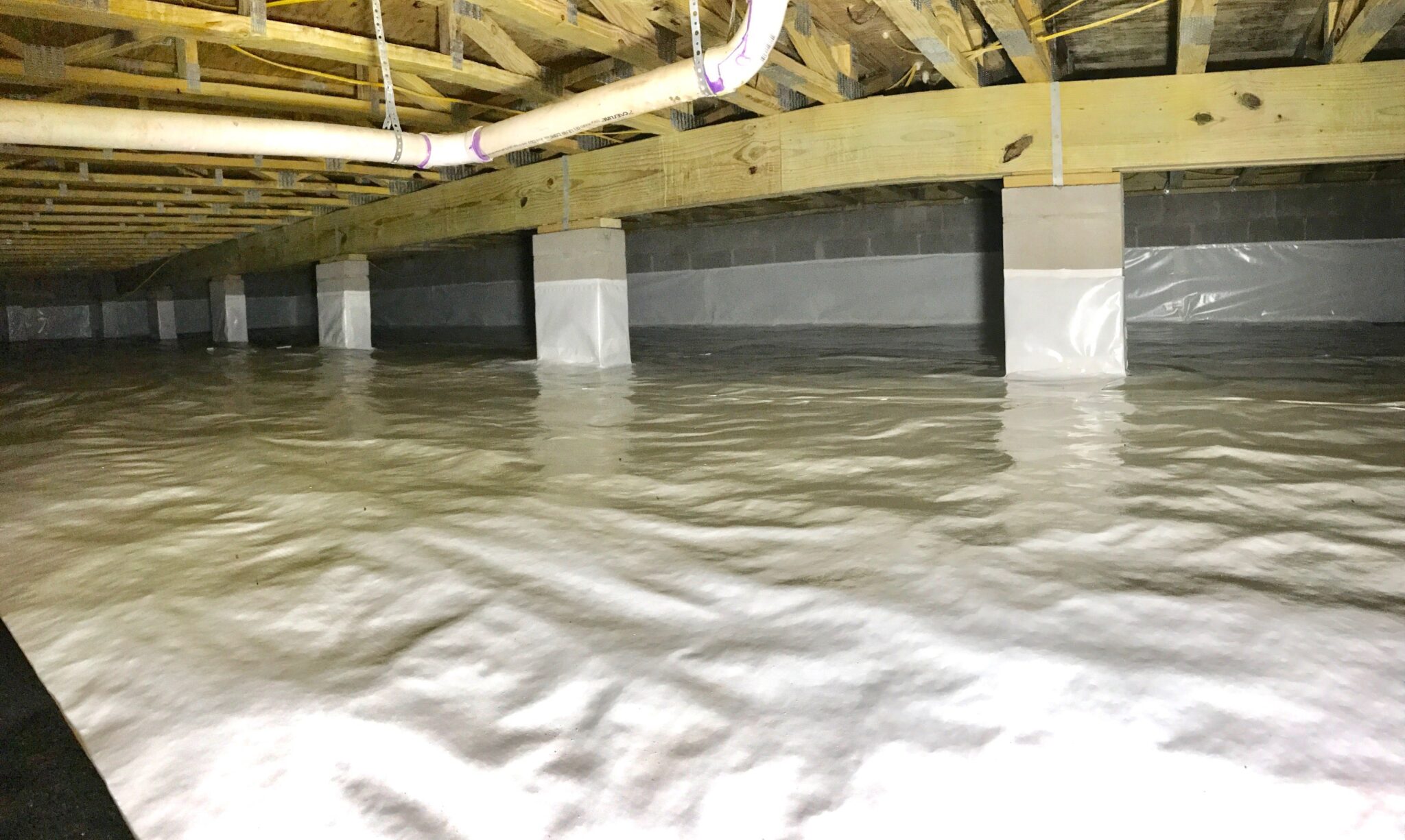
Bare crawl-space soil can continuously release moisture into the enclosed area. A properly installed ground vapor barrier helps separate that moisture source from the crawl-space air.
Coverage and detailing matter. Broad home layout resources can be useful when thinking about household improvements, but below-floor moisture work requires attention to seams, penetrations, edges, and the actual condition of the ground.
| Moisture Source | Typical Clue | First Area to Check |
|---|---|---|
| Ground evaporation | Damp soil | Vapor barrier coverage |
| Rain runoff | Wet perimeter | Gutters and grading |
| Plumbing leak | Localized wet area | Pipes and drains |
| Condensation | Damp cool surfaces | Humidity and insulation |
Inspect Plumbing and Mechanical Sources
Not every wet crawl space is a drainage problem. Supply lines, drain pipes, HVAC condensate components, and other building systems can create localized moisture.
A small leak may go unnoticed for long periods in an area that is rarely visited. While homeowners often focus on visible living-space styling, occasional inspection of hidden service areas can reveal problems before they affect flooring or indoor comfort.
Wet insulation, staining, mineral deposits, or one consistently damp location can provide useful clues about where to investigate.
Decide How the Crawl Space Should Handle Humidity
Traditional vented crawl spaces and sealed or conditioned crawl spaces manage moisture differently. Mixing strategies without understanding the building can create disappointing results.
Outdoor vents may bring in humid air under some weather conditions rather than drying the space. Sealed systems, meanwhile, require careful moisture control, air sealing, drainage, and sometimes mechanical conditioning or dehumidification.
Climate, construction, local codes, and existing equipment matter, so major changes should be planned for the actual house.
Moisture Fixes That Can Miss the Real Problem
Installing a dehumidifier without correcting active water entry may reduce humidity while leaving the underlying drainage or leak problem untouched. It becomes an expensive way to manage a symptom.
Closing vents without addressing ground moisture can create another incomplete solution. Likewise, replacing damaged insulation before the area is dry may lead to repeated repairs.
The most durable approach is source control first, followed by the ventilation, sealing, or humidity strategy suited to the crawl space.
Frequently Asked Questions
Is a vapor barrier enough for a damp crawl space?
Not always. A vapor barrier can reduce moisture evaporating from soil, but it will not repair plumbing leaks, poor grading, foundation water entry, or every condensation problem. The moisture source still needs to be identified.
Can crawl space moisture affect indoor air?
Air can move between lower building areas and rooms above through gaps and pressure differences. For that reason, odors and moisture conditions in a crawl space may influence indoor comfort and air quality.
Should crawl space vents stay open all year?
There is no universal rule for every house. The correct approach depends on whether the crawl space was designed as vented, sealed, or conditioned, along with climate and moisture conditions.
Control Water Before Repairing the Damage
Crawl space moisture is easier to manage when the source is treated instead of hidden. Check exterior drainage, exposed soil, plumbing, insulation, and humidity as parts of one system. Once incoming water and vapor are controlled, decisions about ventilation or conditioning become much more effective and less likely to require repeated repairs.