Pebble Tile Ideas for Natural Texture in Small Accent Areas
Pebble tile works best when its texture is treated as an accent rather than a background everywhere. Rounded stone shapes bring natural irregularity into bathrooms, garden rooms, patios, mudrooms, and other spaces where smooth surfaces can feel too uniform.
Small applications are often more convincing than large ones. A focused section lets the individual stones remain noticeable without turning the room into a themed environment.
Choose Pebbles by Shape and Surface
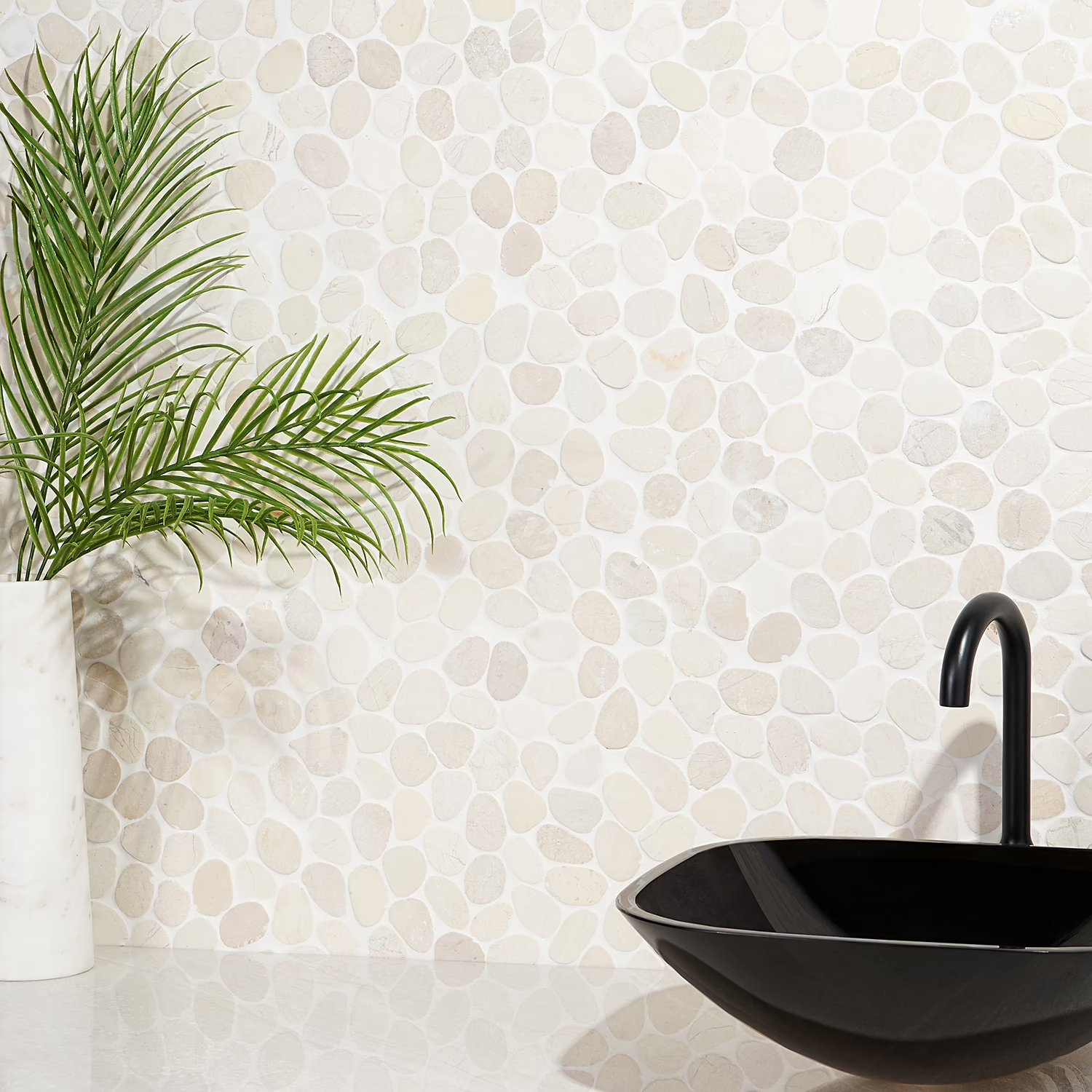
Not all pebble tile produces the same effect. Rounded river-style stones feel organic and informal, while sliced pebbles create a flatter, more controlled surface. More uniform pieces tend to suit contemporary interiors.
Color also changes the mood. Cream and pale gray feel softer, charcoal adds depth, and multitone stone creates the strongest natural variation.
Test the Pattern Before Installation
Pebble sheets can sometimes reveal visible seams if neighboring sections aren’t blended carefully. Dry-laying several sheets allows the installer to rotate or adjust them before adhesive is applied.
That small preparation step can make the finished surface look far more natural.
Give Shower Niches More Texture
A recessed shower niche is a useful place for pebble tile because the area is small but highly visible. Stone can contrast with broad-format wall tile while emphasizing the niche as a separate architectural feature.
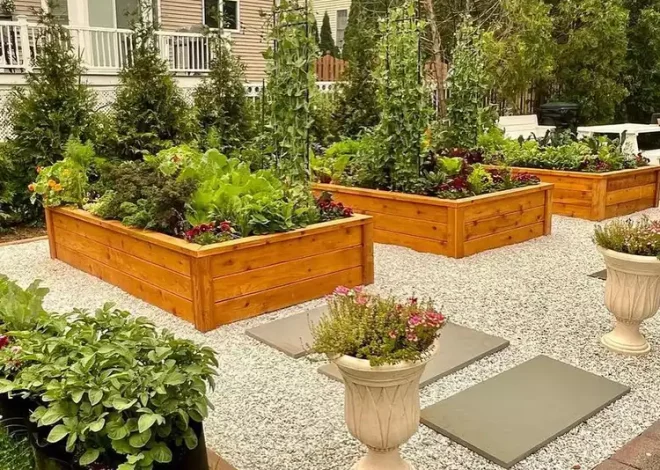
Similar texture combinations appear in outdoor stone concepts, where smooth paving often sits beside rougher natural materials. Bringing that contrast indoors can keep a neutral bathroom from feeling overly flat.
Limit the number of competing patterns nearby so the pebble texture remains clear.
Create Accent Bands Without Traditional Borders
Instead of using a manufactured decorative strip, a narrow vertical or horizontal band of pebbles can create movement across an otherwise simple wall. Vertical placement can visually emphasize height, while a low horizontal band can connect nearby features.
Exploring home surface ideas can help with coordinating small accent materials across kitchens, bathrooms, entry zones, and utility rooms. Pebbles usually work best when surrounding finishes share at least one tone with the stone.
| Accent Area | Pebble Style | Result |
|---|---|---|
| Shower niche | Sliced stone | Controlled texture |
| Wall strip | Small rounded pebbles | Organic movement |
| Planter face | Mixed natural stone | Garden character |
| Mudroom inset | Dark flat pebbles | Practical contrast |
Use Pebbles Beyond the Bathroom
Small pebble details can work beside indoor planters, beneath wall-mounted fountains, around fireplace niches, or on protected portions of a covered patio. These applications connect especially well with timber and planting.
Rooms built around cozy natural textures can use pebble tile as a hard-surface counterpoint to woven fabric, warm wood, linen, and soft lighting. The stone should provide texture, not become the room’s entire identity.
A small accent also makes future design changes easier than a full pebble wall.
Where Pebble Tile Can Become Too Busy
Covering several walls with irregular stone can create visual noise, particularly in compact rooms. The number of grout lines and individual shapes already gives pebble tile plenty of movement.
Poorly chosen grout can make this effect stronger. High contrast outlines every stone, while a closer tonal match usually produces a calmer surface.
Another concern is awkward sheet repetition. Visible square patterns defeat the natural look, so blending edges during installation deserves attention.
Frequently Asked Questions
Are sliced pebbles different from rounded pebble tile?
Yes. Sliced pebbles have flatter faces, creating a more level and tailored appearance. Rounded pebbles retain more of the natural stone shape and produce stronger surface variation.
Which grout color works best with pebble tile?
A tone close to the stone’s average color often creates a softer appearance. Contrasting grout emphasizes every pebble and produces a busier pattern.
Can pebble tile work in a modern home?
Yes, particularly when the stone palette is limited and the application is small. Pair it with clean lines, large-format surfaces, plain cabinetry, and restrained fixtures.
Keep the Texture Concentrated
Pebble tile earns attention through irregular shape and tactile character, so it doesn’t need a large footprint. Give it one clear role: highlight a niche, mark an inset, frame a planter, or interrupt a broad smooth surface.
Used selectively, the material can introduce a natural note without making the room feel rustic or overly decorative.