Why the Most Comfortable Homes Are Not Always the Most Beautiful
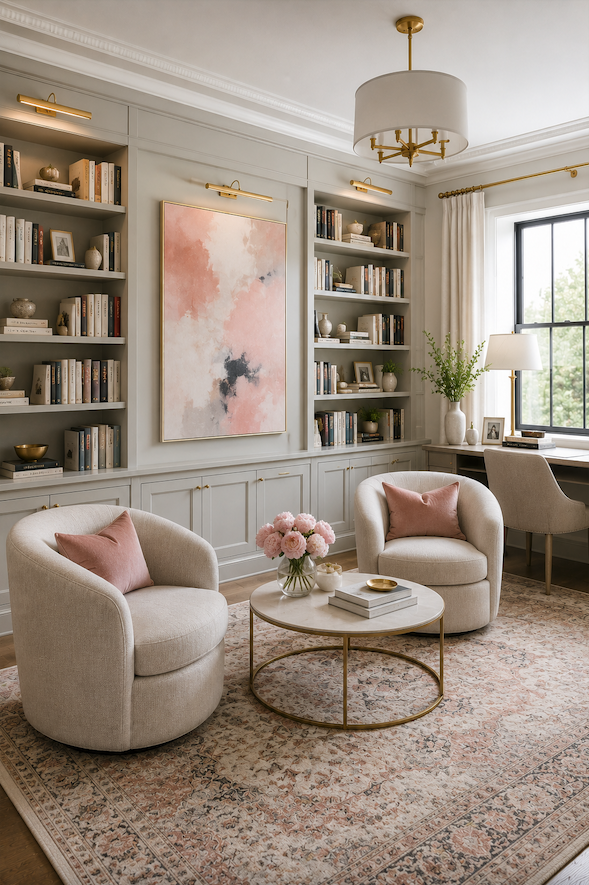
A beautiful home can capture attention within seconds. Perfectly arranged furniture, coordinated colors, expensive decorations, and spotless surfaces often create an impressive first impression. However, living comfortably in a home involves much more than visual appeal. Some of the most welcoming homes are not particularly stylish, modern, or carefully decorated. Instead, they offer something more valuable: a sense of ease, familiarity, and belonging.
The difference between a beautiful house and a comfortable home becomes noticeable through everyday experiences. While attractive interiors can inspire admiration, genuine comfort comes from how a space supports the people living in it.
Comfort Is More Personal Than Appearance
Beauty often follows recognizable design trends, but comfort depends on individual preferences. One person might enjoy minimalist interiors with neutral colors, while another feels happier surrounded by books, family photographs, and colorful furniture.
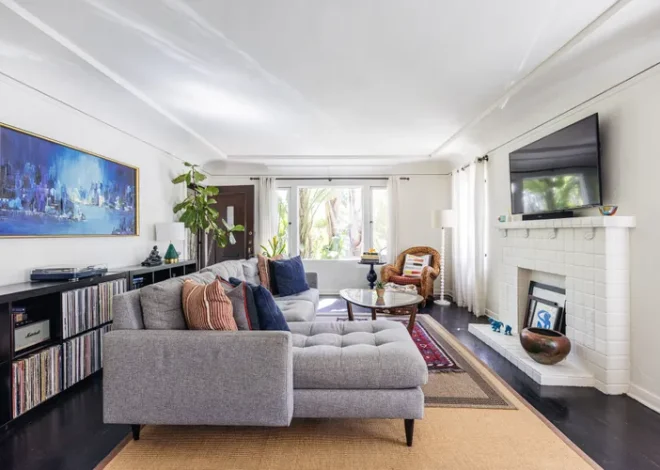
A home does not need to follow popular decorating styles to feel welcoming. Sometimes, an old sofa provides greater relaxation than an expensive designer chair. Similarly, a slightly cluttered living room may feel more inviting than a perfectly organized space where everyone worries about disturbing the arrangement.
The most comfortable homes reflect the personalities, routines, and preferences of their residents rather than trying to impress visitors.
Everyday Functionality Matters More Than Perfect Design
An attractive kitchen might feature polished countertops and fashionable cabinets, but these details become less important if the layout makes cooking inconvenient. Similarly, a beautifully decorated bedroom may not provide adequate storage, ventilation, or privacy. Practical design considers how people actually use their surroundings.
Families exploring lifestyle advice through resources such as The Parent Australia may recognize how household comfort changes when children become part of everyday routines. Easy storage, accessible furniture, safe movement, and flexible living areas often become more important than maintaining a picture perfect interior. A functional home allows daily activities to happen naturally without creating unnecessary frustration.
The Emotional Connection Makes a Difference
Comfort is not entirely physical. Emotional associations also influence how people experience their homes.
A familiar dining table might hold memories of family celebrations. An old armchair may remind someone of relaxing evenings after work. Even small imperfections can become meaningful because they represent shared experiences. These emotional connections cannot be purchased through expensive renovations.
People browsing lifestyle discussions on platforms such as sydhub.com.au may encounter different perspectives on modern Australian living, but the idea of feeling connected to one’s surroundings remains important regardless of location or property size. A home becomes meaningful through the life happening inside it, not simply through its appearance.
Beautiful Interiors Can Sometimes Create Pressure
Highly decorated homes can unintentionally create expectations around cleanliness and organization. Residents may feel uncomfortable leaving everyday belongings visible or allowing children to play freely.
When maintaining appearances becomes a constant responsibility, the home can begin to feel more like a showroom than a place to relax.
Comfortable homes usually allow some flexibility. Shoes might occasionally remain near the entrance, blankets may be left on the sofa, and everyday objects may occupy visible spaces.
These details do not necessarily indicate poor organization. They can simply reflect a home being actively used and enjoyed.
Small Comforts Often Have the Greatest Impact
Expensive furniture and major renovations are not always necessary to improve how a home feels.
Natural lighting, comfortable seating, fresh air, soft bedding, and manageable room temperatures can make everyday living noticeably more pleasant.
Even furniture placement matters. A chair positioned near a window might become someone’s favorite reading spot, while a conveniently located side table can make daily routines easier.
Readers interested in home and lifestyle topics through Melbwire Melbourne may appreciate how small, practical adjustments can improve living spaces without requiring significant spending.
These improvements rarely attract the same attention as dramatic interior transformations, yet their benefits can be experienced every day.
A Comfortable Home Changes With Its Residents
A home that feels ideal today may require adjustments several years later. Changing work schedules, growing families, aging residents, and evolving interests all influence household needs.
For example, a formal dining room might eventually become a workspace. A guest bedroom could transform into a children’s playroom, while an outdoor area might become a favorite gathering space.
An Australian blog covering lifestyle and home improvement topics can explore these changing priorities, particularly as households increasingly seek adaptable spaces that support different activities. The ability to evolve makes a home more useful than one designed around a fixed visual ideal.
Finding the Right Balance Between Beauty and Comfort
A comfortable home does not have to sacrifice appearance. Attractive interiors and practical living can complement each other when design decisions prioritize real needs.
Choosing durable furniture, creating accessible storage, incorporating meaningful decorations, and allowing room for personal expression can produce spaces that are both appealing and welcoming.
Rather than copying every interior trend, homeowners can focus on understanding what genuinely improves their daily experiences.
Conclusion
The most beautiful homes are not necessarily the places where people feel happiest. True comfort comes from practical arrangements, emotional familiarity, personal freedom, and spaces that accommodate everyday life.
A perfectly decorated room may impress visitors, but a comfortable home allows its residents to relax without constantly thinking about appearances. Ultimately, the best homes are not defined by how impressive they look in photographs, but by how naturally and comfortably people can live inside them.