
Smart Electric Fences: Remote Monitoring, App Alerts, and Zone Control
For decades, electric fencing was an analog security layer. Property owners and farmers knew their fence was working only when they looked at the indicator lights on the energizer box or heard an audible siren blare across the yard after a breach. If a branch fell across a wire on the far side of a multi-acre estate while you were at work or asleep, you might not discover the vulnerability until hours later.
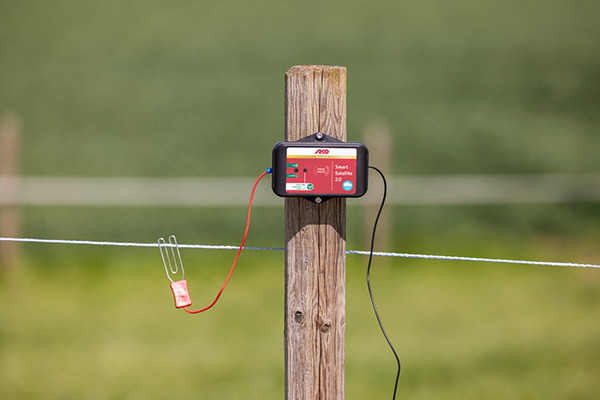
Today, the Internet of Things (IoT) has transformed perimeter security. Smart electric fences integrate cloud connectivity, cellular gateways, smartphone apps, and intelligent multi-zone control panels—turning your perimeter into a responsive, interactive security network. Whether you manage a residential compound, a commercial estate, or a sprawling agricultural farm, smart fencing gives you total visibility and control from anywhere in the world.
1. How Smart Electric Fences Work: The IoT Architecture
A smart electric fence builds upon the core high-voltage electronics of traditional energizers by adding a digital communication layer.
- The Sensor Network: Modern smart energizers continuously sample live outgoing voltage, return voltage, current draw, and earth resistance thousands of times per second.
- The Communication Gateway: Internal or external Wi-Fi modules, Bluetooth transmitters, or cellular GSM/LTE communication cards translate these electrical readings into digital data packets.
- The Cloud & Mobile App: Telemetry data is pushed securely to manufacturer cloud servers, which instantly forward push notifications, voltage readings, and alarm alerts directly to your smartphone app or security monitoring software.
2. Core Features and Capabilities of Smart Energizers
Upgrading to a smart electric fence introduces advanced operational capabilities that go far beyond standard on/off energizer switches:
A. Real-Time Voltage and Status Monitoring
Instead of guessing whether your fence is operating at full power, your mobile app displays the live voltage of every active zone in real time (e.g., Zone 1: 8,400V — Normal). If voltage begins drifting downward due to encroaching vegetation or a loose wire, you receive an early warning before the fence drops below its effective deterrent threshold.
B. Remote Arming and Disarming
If you need to let gardeners, maintenance workers, or delivery personnel access a secure perimeter zone, you no longer have to walk back to the utility room or punch codes into a wall keypad. With a simple tap on your smartphone app, you can switch specific zones or the entire perimeter into a safe, low-voltage monitoring mode or disarm them temporarily.
C. Instant Push Notifications and Fault Categorization
When an event occurs, smart apps differentiate between distinct types of security alerts:
- Tamper / Cut Wire: Immediate high-priority alarm indicating physical intrusion or cable damage.
- Low Voltage Warning: Medium-priority alert notifying you of vegetation leakage or battery drain.
- AC Power Loss / Battery Low: Grid outage notification, letting you know your backup power is active.
D. Activity Logging and Historical Telemetry
Smart systems record a digital audit trail of every event, alarm trigger, voltage fluctuation, and arm/disarm action with exact timestamps. This historical log is invaluable for auditing security incidents or tracking recurring environmental faults.
3. Multi-Zone Control: Pinpointing Faults Instantly
On large properties, traditional single-zone energizers make troubleshooting a guessing game. If the fence trips, you have to walk the entire perimeter looking for the fallen branch or broken wire.
Smart multi-zone energizers divide your property into independent electronic sectors (such as Front Gate, North Wall, East Paddock, and Rear Pool Boundary):
- Targeted Intrusion Response: When an alarm triggers, the app tells you precisely which zone was breached, allowing armed response teams or security patrols to investigate the exact location immediately.
- Faster Troubleshooting: If vegetation touches the wire in Zone 3, only Zone 3 registers a voltage drop on your app, letting you head straight to that specific section rather than inspecting hundreds of meters of unaffected fencing.
4. Integrating Smart Fences with Home Automation and Security Ecosystems
Smart electric fences are designed to act as proactive peripheral sensors within a broader smart home or commercial automation ecosystem:
- Automated CCTV Tracking: When a specific smart zone registers a tamper or cut alert, relay outputs or API integrations can command nearby PTZ security cameras to pan, tilt, and zoom directly toward that sector while switching on exterior floodlights.
- Smart Home Hub Integration: Connect your perimeter security to platforms like Google Home, Apple HomeKit, or custom automation servers using secure webhooks. You can set routines such as: “If armed perimeter fence trips after 10:00 PM, flash exterior smart lights red and play an announcement on indoor speakers.”
- Armed Response API Connectivity: Commercial security companies utilize IP-based monitoring software to ingest smart fence telemetry directly into their central station dispatch queues, ensuring immediate professional intervention during a breach.
5. Retrofitting Existing Fences vs. Installing New Smart Systems
If you already have a reliable standard electric fence, you do not necessarily need to rip out your existing energizer to enjoy smart features:
- Smart Add-On Modules: Many leading manufacturers offer external IoT communication modules (GSM/Wi-Fi transceivers) that plug directly into the serial or relay data ports of older analog energizers, instantly giving them app connectivity and remote monitoring capabilities.
- Dedicated Smart Energizer Upgrades: If your energizer is more than 5 to 7 years old, upgrading to a modern, factory-integrated smart energizer provides better surge protection, higher efficiency, touch-screen diagnostics, and seamless app pairing.
Important Infrastructure Note for Smart Perimeters
Remember that smart features rely on continuous internet connectivity. If you use a Wi-Fi-based smart energizer or gateway, ensure your home Wi-Fi router and the energizer are connected to a small uninterruptible power supply (UPS). If utility power fails and your Wi-Fi router goes offline, your smart app loses remote monitoring capabilities until grid power restores—though the energizer itself will continue pulsing the fence normally using its internal 12V backup battery.