Raised Planter Ideas for Defining Small Outdoor Zones
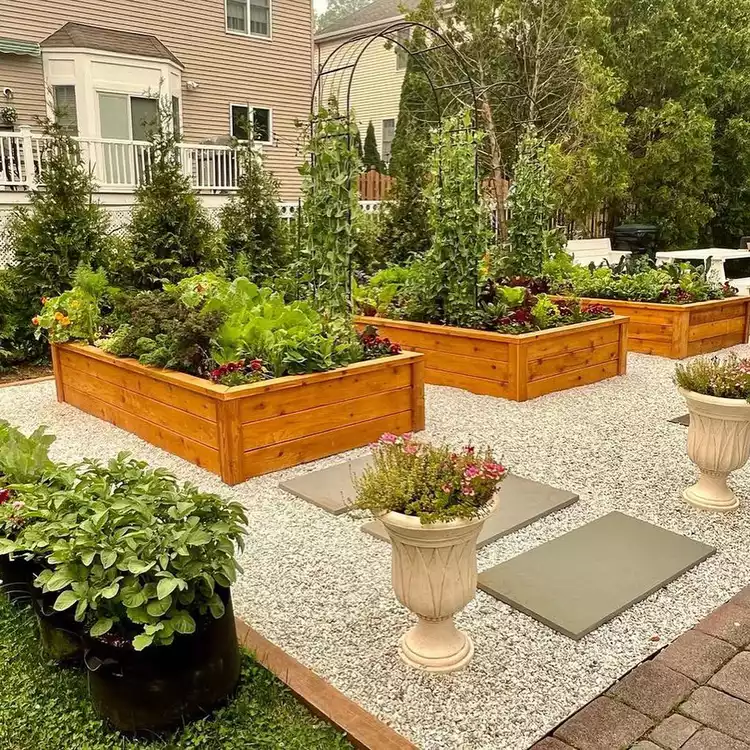
Raised planters can divide compact outdoor areas without building solid walls. They create boundaries while keeping greenery at eye level, defining where dining, relaxing, walking, or gardening begins. In small spaces, their real value comes from doing several jobs at once: holding plants, directing circulation, adding structure, and sometimes providing extra seating.
Use Planters as Boundaries, Not Obstacles
A planter positioned between a dining space and walkway can define both areas without closing either one off. The key is leaving enough circulation around it.
Long rectangular forms work well beside patios, while compact square or corner planters can organize awkward leftover spaces. Looking through outdoor design arrangements can help illustrate how planted dividers work alongside pools, patios, lawns, and seating zones.
Avoid putting a large planter where people naturally cut across the space. Good zoning should guide movement rather than fight it.
Match Height to the Job
Low planters create visual separation while preserving open views. Taller ones provide stronger screening and can hide storage, utility areas, or nearby properties.
Plant choice increases or reduces the apparent height. A modest box filled with upright ornamental grasses can create more screening than a tall planter filled with low ground cover.
| Planter Approach | Best Use | Potential Tradeoff |
|---|---|---|
| Low linear planter | Subtle zone division | Limited screening |
| Tall planter | Privacy and structure | Can make spaces feel tighter |
| Corner planter | Uses awkward areas | Less flexible to reposition |
| Planter-seat combination | Adds two functions | Needs comfortable dimensions |
Let Materials Connect Different Zones
A planter can help visually connect two areas if its finish repeats something nearby. Timber may echo a deck, masonry can relate to paving, and painted surfaces can pick up exterior trim colors.
Spaces with cabin or retreat influences may benefit from natural outdoor styling when choosing timber, stone, planting texture, and surrounding furnishings.
Too many competing finishes can make a compact yard feel smaller. Repeating one or two materials often creates a calmer result.
Add Useful Functions Where Space Is Tight
Raised planters become especially valuable when combined with seating edges, lighting, trellises, or small storage opportunities. Multifunction pieces reduce the number of separate objects competing for floor space.
Planning should still account for soil, drainage, irrigation, and access. Broader property design considerations can be useful when deciding where permanent features should sit relative to structures, paths, and outdoor activity areas.
Keep maintenance realistic. A beautiful planter that’s difficult to water or reach will quickly become frustrating.
Where Raised Planters Can Work Against a Small Yard
Oversized construction is the main danger. Thick walls, excessive height, and deep planting boxes can consume more usable area than the plants themselves need.
Permanent planters also reduce flexibility. If you regularly rearrange furniture or expect the space to serve different purposes later, several movable containers may be more practical.
Drainage is another overlooked issue. Water needs somewhere appropriate to go, and planters placed against structures shouldn’t create persistent dampness or staining.
Frequently Asked Questions
Can raised planters make a small patio feel bigger?
They can create clearer zones, which may make the space feel more organized. However, oversized or tall planters can have the opposite effect by reducing sightlines and usable floor area.
What should I plant in a raised outdoor divider?
Choose plants based on sunlight, climate, watering needs, mature size, and the amount of screening required. Compact shrubs, grasses, herbs, and seasonal flowers can all work in suitable conditions.
Are movable planters better than built-in planters?
Movable planters offer flexibility and are easier to rearrange. Built-in designs provide stronger architectural definition but require more confidence about the long-term layout.
Define Only the Zones You Actually Need
A small outdoor area doesn’t need a barrier around every function. Identify the places where separation improves comfort or circulation, then use raised planters selectively. Keep proportions modest, leave usable routes open, and choose plants that won’t immediately outgrow their role. The most effective planter often feels less like an added object and more like part of the yard’s underlying structure.