
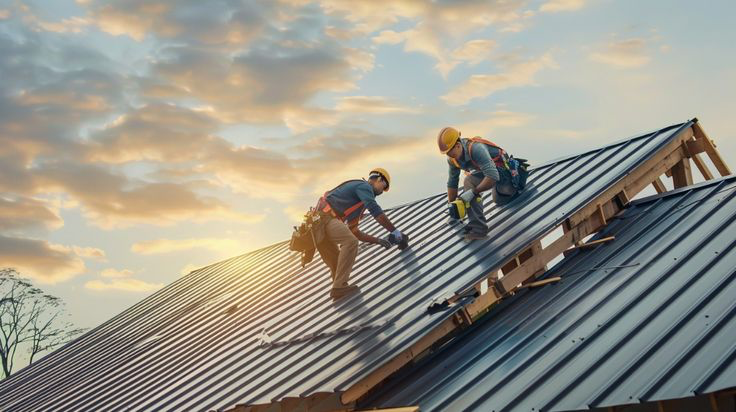
Why Residential Roofing Plays A Critical Role In Home Energy Efficiency
Energy efficiency in homes is more than just a buzzword. It affects monthly bills, comfort, and even the environment. Many homeowners focus on appliances, windows, or insulation. But one crucial aspect often goes unnoticed—the roof. A well-designed and maintained roof can drastically reduce energy waste. By controlling heat gain and loss, it keeps homes comfortable year-round. Understanding the connection between roofing and energy efficiency is key to making smarter home decisions.
The Role Of Residential Roofing In Energy Conservation
Residential roofing refers to the materials and structure covering a home. It is more than just protection from rain or snow. The roof acts as the first line of defense against temperature extremes. Proper roofing materials can reflect sunlight, trap insulation, and prevent energy loss. Choosing the right residential roofing can lower cooling and heating costs significantly. This makes the roof a major player in a home’s overall energy footprint.
Choosing Materials That Enhance Efficiency
Not all roofing materials are created equal. Some shingles absorb heat, while others reflect it. Metal and light-colored asphalt shingles can reduce heat absorption in hot climates. Conversely, insulated tiles or slate can retain warmth in cooler areas. Homeowners who select energy-conscious materials often notice a drop in energy bills. The choice of materials in residential roofing is therefore a direct contributor to efficiency and comfort.
Insulation And Ventilation Impact
The performance of residential roofing depends heavily on insulation and ventilation. A roof that is well-insulated keeps warm air from escaping in winter. Proper ventilation prevents heat buildup in summer, reducing the load on air conditioning. Without these, even high-quality roofing materials may fail to maintain energy efficiency. Maintaining both insulation and airflow is essential to maximize the benefits of modern residential roofing.
Roof Maintenance And Energy Savings
Neglecting a roof can lead to costly energy inefficiencies. Leaks, damaged shingles, or clogged gutters allow air and moisture to enter, disrupting temperature control. Regular inspections and timely repairs ensure the roof continues to perform efficiently. Homeowners who prioritize maintenance see consistent energy savings and longer roof life. Professional residential roofing is not just a structure—it’s an ongoing investment in energy efficiency.
Sustainable Roofing Solutions
Eco-friendly roofing options are gaining popularity among homeowners focused on energy efficiency. Solar panels, green roofs, and reflective coatings reduce reliance on traditional energy sources. Homeowners who select energy-conscious materials often notice a drop in energy bills. These solutions integrate seamlessly with residential roofing to lower carbon footprints. Sustainability and energy savings go hand in hand, proving that a thoughtful roof design benefits both the home and the planet.
Conclusion
Residential roofing plays a far greater role than simply shielding a house from the elements. It affects energy consumption, comfort, and long-term costs. Regular inspections and timely repairs ensure the roof continues to perform efficiently. By selecting the right materials, ensuring proper insulation and ventilation, maintaining the roof, and exploring sustainable solutions, homeowners can significantly enhance energy efficiency. Investing in residential roofing is investing in a smarter, greener, and more cost-effective home.