Home Upgrades That Improve Comfort Without A Full Remodel
A comfortable home does not always require knocking down walls, replacing an entire kitchen, or committing to months of construction. In many cases, smaller and more thoughtful improvements can make a noticeable difference to how a home looks, feels, and functions. These changes can address everyday frustrations while allowing homeowners to work within a manageable budget.
The key is to focus on areas that directly affect daily comfort. Lighting, storage, temperature, furniture placement, outdoor spaces, and practical technology can all influence the experience of living in a home. By identifying what is currently inconvenient or uncomfortable, homeowners can prioritize improvements that provide meaningful benefits without undertaking a complete remodel.
Improve Lighting Throughout the Home
Lighting has a major influence on the atmosphere of a room. A space with limited or poorly positioned lighting may feel smaller and less inviting, even when the furniture and decor are attractive.
Start by considering how each room is used. Kitchens and home offices generally benefit from brighter task lighting, while bedrooms and living rooms may feel more comfortable with softer illumination. Combining ceiling lights, floor lamps, table lamps, and under cabinet lighting can provide greater flexibility.
Natural light is equally important. Heavy curtains can be replaced with lighter window treatments where privacy allows. Mirrors positioned near windows can also help reflect daylight into darker areas. These relatively simple changes can make rooms feel more spacious without altering their structure.
Lifestyle resources such as SydHub can also provide inspiration for homeowners interested in discovering practical ideas for updating everyday spaces and adapting homes to changing routines.
Make Temperature Control More Efficient
A home that is too hot in summer or difficult to keep warm in winter can quickly become uncomfortable. Improving temperature control does not necessarily mean replacing an entire heating or cooling system.
Sealing gaps around doors and windows is a useful starting point. Weather stripping, door seals, and appropriate window coverings can reduce unwanted heat transfer. Ceiling fans can improve air circulation and may help rooms feel more comfortable during warmer months.
Homeowners can also examine where sunlight enters the property. Blinds, curtains, external shading, and strategically placed plants can reduce excessive afternoon heat. During cooler periods, opening window coverings during sunny hours can help bring natural warmth indoors.
A Melbourne lifestyle blog may offer additional ideas suited to homes dealing with the city’s changing weather, particularly when it comes to seasonal comfort, interior choices, and practical household improvements.
Upgrade Storage Without Changing the Floor Plan
Clutter can make even a large room feel cramped. Rather than adding another room or installing expensive built in cabinetry throughout the house, consider improving the storage that is already available.
Vertical storage is particularly useful. Tall shelving units, wall mounted organizers, hooks, and over door storage can make use of areas that would otherwise remain empty. Inside cupboards, adjustable shelves and drawer organizers can help create designated places for frequently used belongings.
Furniture can perform more than one function as well. Beds with storage underneath, ottomans with internal compartments, and benches with hidden storage can reduce visible clutter without taking up substantial additional space.
Information and ideas found through online resources such as https://vizz.com.au can also help homeowners explore broader lifestyle topics and practical approaches to improving their surroundings.
Refresh Walls and Interior Finishes
Paint remains one of the simplest ways to transform a room without major construction. A fresh coat can cover years of marks and discoloration while giving an interior a cleaner appearance.
Color selection can also influence how a space feels. Lighter shades may help compact rooms appear more open, while warmer tones can make bedrooms and living areas feel inviting. There is no need to repaint every room simultaneously. Updating one heavily used space at a time can make the project easier to manage.
Other small finishing changes can contribute to the effect. Replacing outdated cabinet handles, door hardware, light switches, or tapware can refresh an interior without replacing otherwise functional fixtures.
Rethink Furniture Placement
Sometimes improving a home costs almost nothing. Furniture arrangements that worked several years ago may no longer suit the way a household uses its rooms.
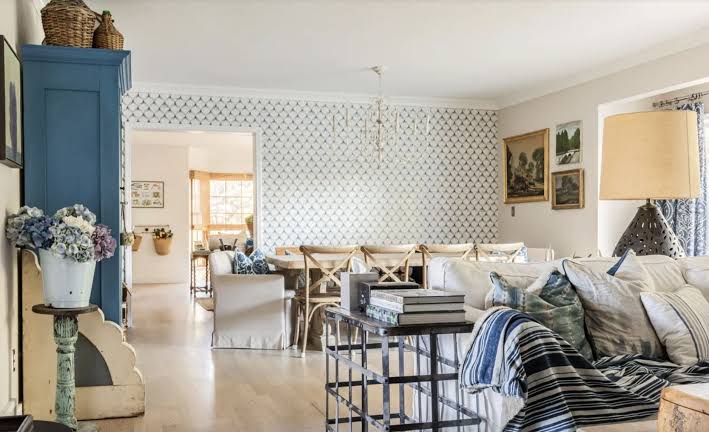
Consider walking through each room and identifying obstacles. Large furniture pieces that interrupt natural pathways can make movement frustrating. Moving a sofa, repositioning a dining table, or relocating occasional furniture may create more usable floor space.
This is particularly relevant as homes increasingly serve multiple purposes. A living room may also function as a study area, entertainment space, or place for exercise. Flexible layouts allow spaces to change according to different activities.
Local lifestyle platforms such as GLID Melbourne can be useful sources of ideas for people interested in home living, city lifestyles, and ways to make everyday environments work more effectively.
Give the Bedroom More Attention
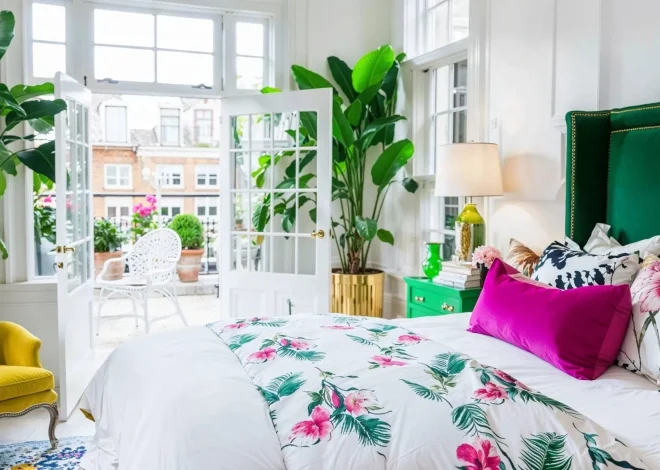
Bedrooms are sometimes overlooked because visitors rarely see them, but comfort in these spaces can influence everyday quality of life. Small improvements can create a calmer and more practical environment.
Begin with the bed itself. A supportive mattress, suitable pillows, breathable bedding, and comfortable sheets can make the room more pleasant. Blackout curtains may help reduce unwanted light, while bedside lamps allow softer illumination in the evening.
Reducing clutter is also worthwhile. Keeping unnecessary electronics, paperwork, and miscellaneous items away from sleeping areas can make the bedroom feel less busy.
Improve Bathroom Comfort With Small Changes
Bathrooms can be expensive to remodel completely, but several modest improvements can make them more functional.
Replacing an inefficient showerhead, adding better shelving, installing hooks in convenient locations, or improving the mirror lighting can enhance everyday use. Fresh towels, a new bath mat, and organized storage can provide an immediate visual refresh.
Ventilation deserves attention as well. Good airflow helps control excess moisture and supports a more comfortable bathroom environment. Existing exhaust fans should be cleaned and maintained so they can operate effectively.
Make Outdoor Areas More Usable
Outdoor areas can effectively extend a home’s living space. Even a small balcony, patio, courtyard, or garden can become more useful with a few practical additions.
Comfortable seating is a good starting point. Shade from an umbrella, awning, or suitable plants can make outdoor areas more enjoyable during sunny weather. Simple lighting can allow the space to remain functional after sunset.
Rather than treating outdoor improvement as a large landscaping project, focus on how the area will actually be used. A compact table may create a breakfast area, while a comfortable chair can establish a quiet reading spot.
Introduce Technology Where It Solves a Problem
Smart home technology is most valuable when it addresses a genuine household need. There is little benefit in purchasing devices simply because they are new.
Smart thermostats, lighting controls, timers, and automated blinds may improve convenience in suitable homes. Smart plugs can make it easier to manage selected appliances, while motion activated lighting can be useful in entrances, hallways, and outdoor areas.
The goal should be simplicity. Technology that creates additional complexity can undermine the comfort it was intended to provide.
Focus on Everyday Comfort First
A successful home upgrade does not have to produce a dramatic before and after transformation. Improvements that make mornings easier, rooms more comfortable, storage more accessible, and household routines more efficient can be equally worthwhile.
Before planning a major renovation, spend time identifying the small inconveniences experienced every day. Better lighting, improved storage, thoughtful furniture placement, temperature management, refreshed finishes, and more functional outdoor areas may solve many of them.
By making targeted improvements gradually, homeowners can create spaces that feel fresher, more practical, and more comfortable without the expense and disruption of a full remodel.