How To Know If Your Hardwood Floors Are Sealed?
Your hardwood floors might look great, but without a proper seal, they could be at risk of serious damage. Sealed floors resist moisture, stains, and everyday cleaning damage. Without protection, water can soak into the wood and cause warping, discoloration, and permanent problems.
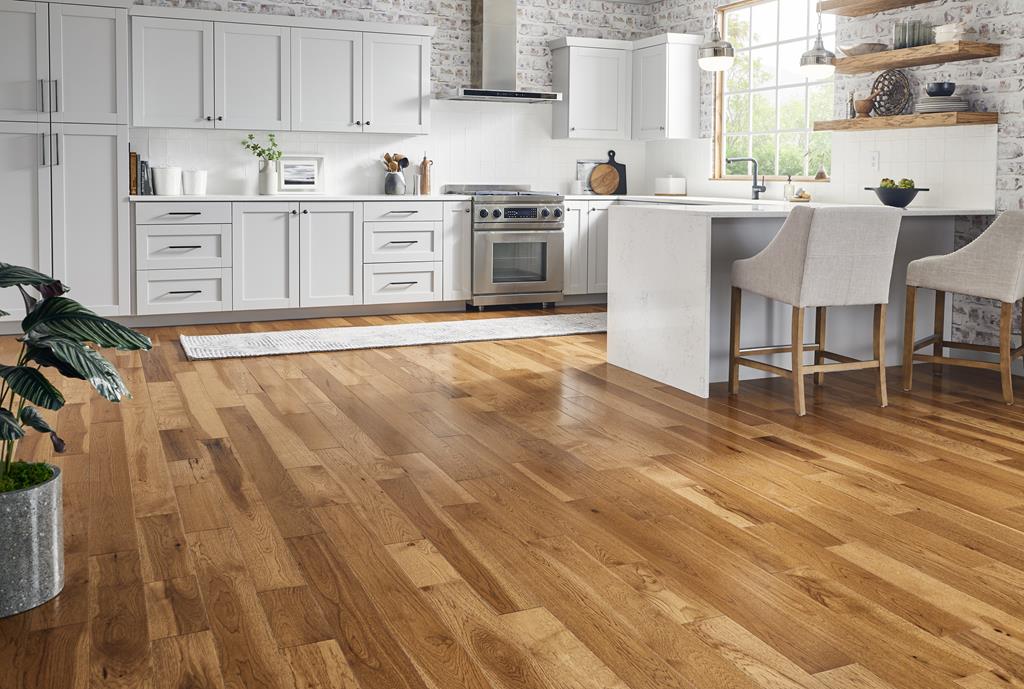
Both solid and engineered hardwood floors can be sealed, but the finish wears down over time. Sealed floors have a smooth, shiny appearance and are easy to maintain. Unsealed floors look dull and dry, requiring more careful cleaning.
What is the Difference Between Sealed and Unsealed Floors?
Sealed hardwood floors have a protective coating on the surface that blocks moisture and dirt from penetrating the wood. Unsealed floors have no protective barrier, leaving the wood exposed to damage.
Here’s how they compare:
- Sealed floors have a glossy or satin sheen and feel smooth to the touch
- Unsealed floors look matte, feel rough, and show the natural wood texture
- Sealed floors can handle damp mopping and most cleaning products
- Unsealed floors absorb liquids quickly and stain easily
Understanding this difference helps you choose the right cleaning method and know when your floors need attention.
4 Simple Tests to Check If Your Hardwood Floors Are Sealed
These quick tests take a few minutes and don’t require any special tools. You can do them right now to find out if your floors are properly protected.
Test 1: Do a Simple Water Test
The water test is the easiest way to check if your hardwood floors are sealed. Find an inconspicuous spot, like a corner or inside a closet, for this test.
Place a few drops of water on the floor and watch what happens:
- If the water beads up or sits on the surface, your floor is sealed
- If the water soaks in within a few minutes or leaves a dark spot, your floor is unsealed, or the finish has worn away
This test works on both solid and engineered hardwood floors. If the water absorbs quickly, your floor needs a new hardwood floor sealer to protect it from moisture damage.
Test 2: Check Shine, Texture, and Smudging
Visual and touch tests can tell you a lot about your floor’s condition. Start by looking at the overall appearance of your floor in natural light.
Look for these signs of a sealed floor:
- A glossy, satin, or semi-gloss sheen across the surface
- Smooth texture when you run your hand across the boards
- Light reflects evenly off the floor
Now try the smudge test. Rub a clean, dry finger firmly across the floor surface. If nothing transfers to your finger, your floor has a surface seal like polyurethane. If you see a waxy smear or slight mark on your finger, your floor has a penetrating oil finish with wax on top. Both types offer protection, but they require different maintenance approaches.
Test 3: Inspect Edges, Wear, and Damage
High-traffic areas show wear faster than other parts of your floor. Walk through your home and examine spots where people walk most often, like hallways, doorways, and in front of the kitchen sink.
Look for these warning signs of a failing seal:
- Greying or fading color in high-traffic paths
- Rough or scratchy texture where the finish has worn thin
- Exposed raw wood along board edges or corners
- Dark rings or stains where water has soaked into the wood
- Cupping or warping of individual boards
These signs indicate your hardwood floor sealer has broken down and no longer protects the wood underneath.
Test 4: Match Cleaning and Next Steps to Results
Knowing your floor’s seal status helps you choose the right care routine.
For sealed hardwood floors:
- Use a damp mop with pH-neutral hardwood floor cleaner
- Clean up spills promptly, but don’t worry about minor water exposure
- Avoid harsh chemicals and abrasive scrubbers
- Reapply hardwood floor sealer every 3 to 5 years, depending on wear
For unsealed or worn hardwood floors:
- Use only dry cleaning methods, like sweeping or dry mopping
- Never use water or liquid cleaners on the surface
- Clean up any spills immediately with a dry cloth
- Consider refinishing or sealing as soon as possible
If your tests show mixed results or you’re unsure about your floor’s condition, contact a flooring professional. Engineered hardwood floors with thin top layers may have limited refinishing options, so professional guidance helps you avoid costly mistakes.
Bottom Line
Checking if your hardwood floors are sealed takes just a few minutes using these simple tests. A quick water test, visual inspection, smudge check, and wear assessment give you a clear picture of your floor’s condition. Once you know your floor’s seal status, you can care for it properly and prevent damage that could become costly over time.
For those looking to maintain or refresh their hardwood surfaces, there are professional-grade products that make sealing and finishing straightforward, which help preserve both beauty and durability. Rustic Wood Floor Supply has you covered with a wide range of professional products at great prices. Their collection includes everything from polyurethane coatings to oil-based finishes that bring out the natural beauty of your wood.