
Bathroom Wall Tiles: The Complete Selection and Installation Guide
Wall tiles transform bathrooms from purely functional spaces into beautiful retreats that reflect personal style while providing practical benefits. Beyond their obvious aesthetic impact, quality wall tiles protect vulnerable surfaces from constant moisture exposure, simplify cleaning, and contribute to hygienic environments. The selection process involves balancing design preferences with technical requirements, budget constraints with quality aspirations, and current trends with timeless appeal. This comprehensive guide explores every aspect of bathroom wall tile selection, from understanding material options through installation considerations to maintenance requirements.
The Unique Requirements of Bathroom Wall Tiles
Bathroom walls face constant moisture exposure from showers, baths, and humid air. This challenging environment demands materials specifically suited for wet conditions. Unlike floor tiles that must withstand foot traffic and dropped objects, wall tiles prioritize water resistance, ease of cleaning, and visual appeal. However, tiles in shower enclosures must meet higher standards than those on dry walls opposite the shower, allowing strategic allocation of premium materials where they matter most.
Moisture resistance prevents the catastrophic damage that destroys structures and cultivates mold. Quality ceramic and porcelain tiles feature impermeable glazed surfaces that water cannot penetrate. When properly installed with appropriate waterproofing membranes behind them, these tiles create durable barriers protecting walls for decades. This protection proves invaluable in bathrooms where water exposure is constant and inevitable.
Temperature variations in bathrooms—from cold winter mornings to hot, steamy showers—create expansion and contraction cycles. Quality wall tiles accommodate these movements without cracking when installed with appropriate materials and techniques. This thermal stability ensures your tile installation maintains its integrity and appearance despite the challenging bathroom environment.
Ceramic Versus Porcelain for Wall Applications
Standard ceramic tiles made from earthenware or terracotta clays work perfectly for bathroom walls. Their lighter weight compared to floor tiles makes them easier to install on vertical surfaces and reduces load on walls. The glazed surfaces available in endless colors, patterns, and finishes provide complete water resistance despite the somewhat porous body underneath—since water cannot penetrate the glaze, it never reaches the porous body.
Porcelain tiles, while excellent for walls, prove technically overqualified for this application. Their superior density and impermeability—critical advantages for floors and wet areas—matter less on walls where weight becomes a disadvantage. Porcelain’s hardness that resists floor traffic becomes irrelevant on walls. Unless you specifically want porcelain’s appearance or have it left over from floor installations, standard ceramic tiles serve bathroom walls perfectly while costing considerably less.
Glass tiles create luminous, jewel-like surfaces that reflect and refract light beautifully. Their completely impermeable surface makes them ideal for shower walls. However, glass shows soap scum and water spots more readily than ceramic, requiring more frequent cleaning to maintain their sparkle. The transparency of some glass tiles means the substrate and adhesive color can affect the final appearance—test samples against your actual substrate before committing.
Size Formats and Their Visual Impact
Standard-sized tiles around 4×4 or 6×6 inches install relatively easily and accommodate wall irregularities. They work well for traditionalists who prefer classic subway tile or vintage aesthetics. Multiple small tiles create more grout lines requiring cleaning and eventual maintenance, but their modest size makes cutting and fitting around fixtures manageable even for DIY installers.
Medium formats—8×10, 10×13, or 12×24 inches—represent contemporary trends toward larger tiles with fewer grout lines. These sizes strike a balance between manageable installation and modern aesthetics. They work in various layout patterns from simple grid to brick-lay to vertical or horizontal stack, each creating distinct visual effects. Medium tiles make rooms appear larger by reducing visual interruption from grout lines.
Large-format tiles exceeding 12×24 inches up to massive 24×48-inch or even larger panels create dramatic, contemporary looks with minimal grout lines. Installing large tiles on walls requires expertise and appropriate adhesives to prevent slippage before adhesive cures. These tiles demand perfectly flat walls—irregularities that small tiles accommodate cause large tiles to crack or bow. When successfully installed, the resulting seamless appearance justifies the additional effort and expense.
Subway Tiles: The Timeless Classic
Rectangular subway tiles, traditionally 3×6 inches, have dominated bathroom design for over a century. Their enduring popularity stems from versatility that works equally well in vintage, traditional, transitional, and contemporary spaces. The simple rectangular format lends itself to various installation patterns—classic running bond, vertical stack bond, herringbone, or basket weave—each creating distinct character.
Standard white subway tiles offer timeless appeal and serve as neutral backgrounds letting other design elements shine. They brighten small or dark bathrooms and coordinate with any color scheme. However, subway tiles are available in hundreds of colors beyond white, from soft pastels to bold jewel tones to sophisticated neutrals. Colored subway tiles make powerful statements while maintaining the format’s classic proportions.
Beveled edges on subway tiles create subtle shadows along each tile’s perimeter, adding depth and dimension. This traditional detail enhances the handcrafted appearance that appeals to lovers of vintage aesthetics. Flat, square-edge subway tiles create more contemporary looks with nearly invisible grout lines. The choice between beveled and flat edges significantly impacts overall aesthetic despite the subtle difference in tile edges.
Contemporary Wall Tile Trends
Wood-look tiles bring warmth and natural texture to bathrooms without wood’s moisture sensitivity. Realistic planks mimicking oak, walnut, or reclaimed barn wood install on shower walls where actual wood would quickly deteriorate. These tiles measure 6-10 inches wide and 24-48 inches long, creating the appearance of horizontal or vertical wood planking. The effect balances organic warmth with practical durability.
Marble-look porcelain reproduces luxurious marble’s distinctive veining and sophisticated appearance at a fraction of the cost and without the maintenance challenges. Book-matched installations where adjacent tiles mirror each other’s patterns create stunning feature walls. These tiles allow achieving high-end marble aesthetics on moderate budgets while avoiding marble’s vulnerability to etching and staining.
For exceptional selection in bathroom wall coverings, explore options at retailers specializing in wall tiles for bathroom applications. Their curated collections showcase current trends alongside timeless classics, with expert guidance helping you select tiles that balance your aesthetic vision with practical bathroom requirements.
Geometric patterns—hexagons, triangles, arabesques, scallops—transform walls into artistic features. These shaped tiles install in repeating patterns creating mesmerizing visual effects. Small mosaic formats work well for accent strips or entire walls, while larger geometric tiles make bold statements. Pattern tiles cost more per square foot and require more installation time but deliver unique, personalized spaces impossible to achieve with standard formats.
Accent Walls and Feature Strips
Accent walls concentrate premium or decorative tiles where they create maximum impact while using economical tiles elsewhere. A stunning tile treatment behind the vanity or as a shower focal wall becomes a room’s defining feature. This strategic approach allows incorporating expensive hand-painted, metallic, or specialty tiles within budget by limiting their coverage area.
Decorative borders and listellos—narrow decorative strips—break up expanses of field tile while adding visual interest. Installing a contrasting border at chair-rail height creates architectural definition. Borders framing shower niches or running along tub edges emphasize these features. However, decorative borders can date quickly—what seems fresh today may look tired in a decade. Use borders judiciously, recognizing they commit you to a specific style.
Mosaic accent strips in different colors or materials create subtle transitions or emphasize horizontal or vertical lines. A strip of glass mosaic in the shower’s wet wall adds sparkle. Pebble mosaics at shower floors provide texture and improve traction. These accent treatments add personality and custom details without overwhelming the overall design.
Grout Selection and Color Impact
Grout color dramatically affects the overall appearance of tiled walls. Matching grout to tile color creates unified, seamless looks where individual tiles recede and the wall reads as a continuous surface. This approach works beautifully with marble-look tiles, wood-look planks, or any installation seeking cohesive, calm aesthetics. Matched grout also hides the inevitable slight color variations between tiles from different manufacturing lots.
Contrasting grout emphasizes tile pattern and creates dynamic, energetic aesthetics. White tiles with dark gray or black grout pop with graphic intensity. Dark tiles with light grout create similar dramatic effects. Contrasting grout particularly enhances geometric or patterned tiles where emphasizing individual shapes creates visual interest. However, contrasting grout requires meticulous installation—grout haze and uneven joints become glaringly obvious.
Color trends in grout evolve just as tile styles do. While white and light gray remain popular, warm grays, charcoals, and even colors matching tile accent colors appear increasingly in contemporary installations. Epoxy grout, though more expensive and challenging to install, never needs sealing and maintains its color permanently without staining. This makes it worth considering for white or light grout that would otherwise discolor in high-moisture shower areas.
Installation Planning and Layout
Professional tile layout prevents awkward cuts and creates balanced, intentional appearances. Begin by finding walls’ center points and snapping vertical chalk lines. Dry-lay tiles along these centerlines to visualize the layout before mixing any adhesive. Adjust starting points to avoid tiny slivers at corners—a layout showing a 1-inch strip at one corner and an 11-inch tile at the opposite corner looks poorly planned. Balanced layouts with similar-sized cuts on opposite sides create professional results.
Level is critical for wall tile installation. Even slight deviations from level become glaringly obvious as grout lines diverge from true horizontal. Start installations from level lines rather than assuming floors are level—they rarely are. Snap chalk lines around the room at your starting height, verified with a 4-foot level. This level reference line guides the first course of tiles, upon which all subsequent courses depend.
Plan cutting sequences to minimize visible cut edges. Place cut tiles in corners or at floor and ceiling where they’re less noticeable than at eye level. When possible, orient layouts so full tiles appear at focal points like behind vanities or in shower eyelines. Less-than-perfect cuts disappear in shadowy corners or behind toilets and vanities.
Proper Substrate and Waterproofing
Green board (moisture-resistant drywall) suffices for walls outside immediate wet areas. Its water-resistant paper facing and treated gypsum core handle typical bathroom humidity without deteriorating. However, green board alone doesn’t provide adequate protection in showers or directly around tubs where direct water exposure occurs—these areas demand cement backer board or other waterproof substrates.
Cement backer board forms the standard for wet area walls. Its cement and fiberglass composition doesn’t deteriorate from water exposure. Install it with corrosion-resistant screws every 8 inches into studs. Tape and thin-set seams to create continuous surfaces. While backer board resists water, it’s not completely waterproof—apply proper waterproofing membranes over backer board before tiling.
Waterproofing membranes—sheet membranes or liquid-applied products—create the critical water barrier protecting wall structures. These membranes prevent water penetrating behind tiles from reaching vulnerable framing. Pay special attention to corners, changes in plane, and penetrations for fixtures—these vulnerable spots need careful detailing. Proper waterproofing represents invisible insurance against catastrophic water damage costing thousands to repair.
Installation Techniques for Wall Tiles
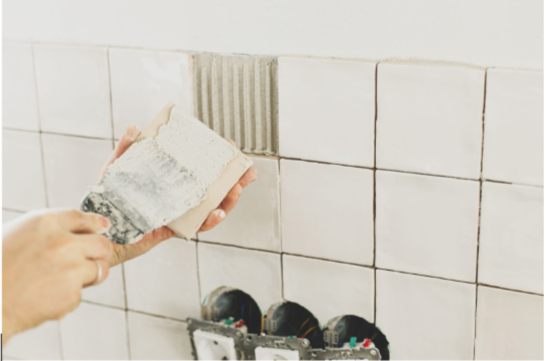
Wall tile adhesives must resist gravity’s constant pull. Modified thin-set mortars with polymer additives provide superior bonding strength and grab compared to old-fashioned mud beds. Apply adhesive with notched trowels sized appropriately for tile size—larger tiles need deeper notches ensuring adequate coverage. Back-butter tiles over about 6×6 inches to guarantee complete adhesive contact.
Install tiles bottom-to-top, starting from level reference lines. The weight of upper tiles helps secure lower courses as adhesive cures. Plastic spacers maintain consistent grout joint widths. Remove spacers before adhesive skins over, typically within an hour or so. Clean adhesive squeeze-out from joints immediately—once hard, it requires grinding or chipping that risks damaging tile edges.
Large or heavy tiles may need temporary support until adhesive achieves initial cure. Screw temporary ledger boards to walls at starting heights, resting the first course on this support. Remove ledgers after 24 hours when adhesive holds tiles securely. This technique prevents slippage that ruins layouts and wastes materials. For very heavy stone tiles, consider mechanical fasteners supplementing adhesive bonding.
Shower Niches and Recessed Features
Built-in shower niches eliminate ugly plastic caddies while providing convenient storage for shampoos and soaps. Niches should measure at least 12 inches wide and 12 inches tall to usefully hold products. Install them between studs for easier construction, or frame custom sizes. Waterproof niches carefully—these recesses concentrate water. Slope niche floors toward the shower so water drains rather than pooling.
Tile niche interiors in accent tiles creating jewelry-box effects. Contrasting colors or mosaic tiles transform functional niches into decorative features. Frame niche openings with decorative border tiles or contrasting colors emphasizing these useful features. Poor niche detailing looks amateurish while thoughtful treatment adds custom, professional touches.
Corner shelves, either purchased pre-formed or site-built and tiled, provide additional storage. Install them at comfortable heights for reaching products. Ensure adequate support for shelves that will bear weight. Tile small shelves in mosaic or small tiles that accommodate curves and corners better than large formats. These practical additions enhance usability without sacrificing aesthetics.
Maintenance and Long-Term Care
Wall tiles clean more easily than virtually any alternative. Soap scum, the primary bathroom wall soil, wipes away with bathroom cleaners or simple vinegar-water solutions. Unlike painted walls that eventually need repainting or wallpaper that peels in moisture, tiles maintain their appearance indefinitely with basic cleaning. This permanence and ease make them ideal for busy families who value low maintenance.
Grout requires more attention than tile. Seal grout after installation and reapply sealer annually in wet areas. Unsealed grout absorbs moisture, soap residue, and body oils, gradually darkening. Severe discoloration may require steam cleaning or grout-specific cleaning products. In extreme cases, removing and replacing grout proves the only solution. However, proper sealing prevents most problems.
Prevent mildew by running exhaust fans during and 20 minutes after showers, wiping down shower walls after use, and addressing any plumbing leaks immediately. Mildew grows on soap residue and organic materials—tiles themselves resist mildew, but grout, caulk, and soap scum provide growth substrates. Regular cleaning prevents conditions favoring mildew establishment.
Cost Considerations and Budget Strategies
Wall tile prices span enormous ranges from under $1 per square foot for basic white ceramic to $50+ per square foot for hand-painted, imported, or custom tiles. Consider the “good-better-best” approach: use good-quality basics for large areas, better tiles for medium-coverage zones, and reserve budget-stretching best tiles for small accent areas. This strategy creates high-end looks without requiring premium materials everywhere.
Installation labor typically costs $4-10 per square foot for standard tiles in straightforward layouts. Complex patterns, small mosaics, or challenging cuts increase costs to $10-20 per square foot. Get multiple detailed quotes comparing both material and installation costs. Sometimes paying slightly more for materials that install faster actually reduces total project costs.
Material calculations require 10-15% overage for cuts and breakage. Order extra boxes beyond calculated needs—trying to match tiles later proves difficult as manufacturing lots vary slightly in color. Leftover tiles provide repair material for future damage. Some retailers accept unopened box returns, making slight over-ordering less financially risky than under-ordering.
When to DIY Versus Hire Professionals
Competent DIYers can successfully tile bathroom walls with proper preparation, patience, and appropriate tools. Wall tiling proves more forgiving than floors since leveling issues don’t affect foot traffic. Straight layouts using medium-sized tiles represent achievable DIY projects. Online tutorials and rental tools make DIY installation increasingly accessible for motivated homeowners.
However, certain scenarios warrant professional installation. Large-format tiles requiring precise layouts, complex patterns needing mathematical precision, natural stone requiring specialized handling, and complete shower enclosures where waterproofing errors create catastrophic consequences all benefit from professional expertise. The cost of fixing botched installations usually exceeds what you’d have paid professionals initially.
Consider hybrid approaches—hire professionals for critical waterproofing and substrate preparation, then handle tile installation yourself if confident in your abilities. Alternatively, do straight wall sections yourself and hire professionals for challenging areas like inside corners or intricate patterns. This approach balances budget concerns with quality assurance where it matters most.
Bathroom wall tiles represent investments in both beauty and functionality that transform utilitarian spaces into personal retreats. Thoughtful selection balancing aesthetic preferences with practical requirements ensures satisfaction measured in decades of daily appreciation.

Related Posts

How To Know If Your Hardwood Floors Are Sealed?

Understanding The Importance Of Preventive Pest Control
