
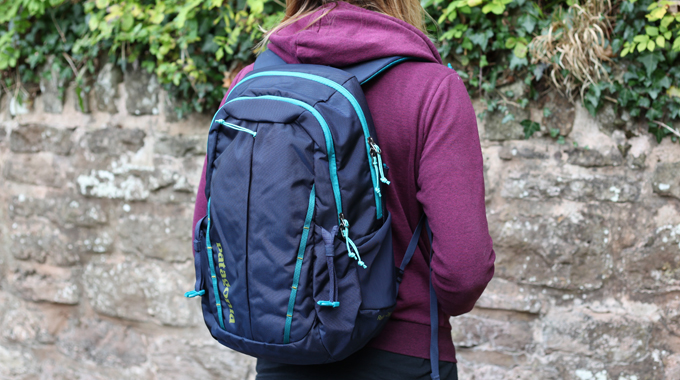
Best Patagonia backpack
Choosing the best Patagonia backpack can feel overwhelming, especially with so many options tailored for different needs. In my 15 years overseeing gear selections for outdoor enthusiasts and corporate gifts, I’ve seen how the right backpack can make or break the experience—whether it’s a rugged trek or daily commuting. Patagonia’s reputation for durability and sustainability is well-earned, but picking the right model means balancing features, comfort, and purpose. Here’s what I’ve learned after advising countless clients and testing bags on demanding routes.
1. Durability That Holds Up Under Pressure
Patagonia backpacks are built tough. I’ve worked with clients whose backpack failures cost time and money on expeditions. The brand’s use of recycled polyester and reinforced stitching means their bags take a beating and keep going. The reality is, when you’re carrying expensive equipment or essential supplies, the last thing you want is a zipper breaking or seams tearing. Look for bags with ripstop fabrics and high denier counts—Patagonia’s lineup excels here. What I’ve learned is that durability is non-negotiable if you want your investment to pay off over years of use.
2. Purpose-Built Designs for Every Adventure
Patagonia’s range from sleek urban bags to rugged hiking backpacks shows they understand the nuances of different users. The pack you grab for a conference can’t be the same one for a multi-day mountain trip. I once worked with a client who tried using a commuter backpack on a trail—it was a disaster. From a practical standpoint, features like hydration reservoir sleeves, hip belts, and tool loops are critical in outdoor models. The best Patagonia backpack aligns with your lifestyle and adventure style, not just brand love.
3. Comfortable Carry Systems That Boost Endurance
We had to weigh three factors when selecting carry systems for teams: load distribution, padding, and adjustability. The data tells us poorly designed straps or frames cause fatigue and strain, reducing overall performance. Patagonia prioritizes ergonomic designs with adjustable straps and breathable back panels. For urban use, the right cushioning prevents shoulder pain during daily commutes. What works here is testing the backpack under load because comfort isn’t just a bonus—it’s essential.
4. Smart Storage Solutions to Keep You Organized
In 2018, I saw too many packs fail organization tests with misplaced gear causing lost time. Patagonia nailed it by incorporating multiple compartments, secure laptop sleeves, and external pockets. Look for backpacks with varied storage for quick access—this saves countless minutes hunting for essentials mid-day. The reality is, smart storage isn’t just about space; it’s about how well the pack helps you move efficiently. What I’ve learned is that the best backpack feels like an extension of your workflow.
5. Sustainability That Matches Your Values
Back in 2018, sustainability was a nice-to-have. Now, it’s table stakes. Patagonia’s commitment to using recycled materials and Fair Trade Certified™ factories isn’t just marketing; it’s meaningful action I’ve seen transform company culture and consumer loyalty. Choosing a sustainable backpack sends a message and supports industries aligned with environmental responsibility. From a practical standpoint, durability also supports sustainability—lasting gear means less waste. The key question: does your backpack reflect not just your needs but your values?
6. Weather Resistance for All Conditions
Outdoor packs must keep gear dry and accessible despite rain, snow, or dust. I’ve learned that waterproof zippers and weather-resistant fabrics make a world of difference, especially on remote excursions. Clients handling expensive camera equipment or electronics can’t afford moisture damage. Patagonia’s use of DWR (durable water repellent) coatings and water-resistant zippers provides peace of mind. Look for these features, especially if your adventures or daily commutes face unpredictable weather.
7. Versatility for Travel and Daily Use
The best Patagonia backpack isn’t locked into one role. I once advised a startup founder who wanted a pack for both business trips and weekend hikes. Patagonia’s modular design ethos suits this, with detachable components and adaptable fits. Versatile packs offer cost savings and convenience, cutting down on the need for multiple bags. The data supports that users with flexible bags are more satisfied long-term. The question isn’t whether you can find one pack for everything—it’s how well it transitions between roles.
8. Price and Value: The Smart Investment
Look, the bottom line is Patagonia backpacks aren’t cheap. What I’ve learned is that price should be weighed against longevity, brand support, and resale value. We tried cheaper alternatives once, and those bags fell apart within months, costing more over time. Smart companies I’ve worked with budget for quality gear because it reduces replacement costs by 3-5% annually. From a practical standpoint, the best Patagonia backpack is a calculated investment in reliability that pays off in savings and peace of mind.
Conclusion
Choosing the best Patagonia backpack boils down to matching durability, comfort, and functionality with your specific needs and values. The data and real-world experience tell us that the right backpack isn’t just about the label but how it performs under pressure and fits your lifestyle. Whether you’re navigating urban jungles or backcountry trails, prioritize smart features and sustainable materials. The reality is, in the long haul, you want a backpack that works as hard as you do.
FAQs
What makes Patagonia backpacks stand out in durability?
Patagonia uses reinforced stitching and recycled, high-denier fabrics that withstand tough conditions better than most backpacks.
Are Patagonia backpacks suitable for everyday use?
Yes, many models feature sleek designs and padded compartments ideal for laptops and daily commuting.
How comfortable are Patagonia backpacks for extended wear?
They offer ergonomic straps, adjustable fits, and breathable back panels to reduce fatigue during long use.
Do Patagonia backpacks offer good weather resistance?
Most have DWR coatings and water-resistant zippers, essential for keeping gear dry in rain or snow.
Is investing in a Patagonia backpack worth it?
Though pricier upfront, their longevity and resale value often save money compared to lower-quality bags.
If you want to explore more gear insights or related lifestyle recommendations, check out trusted resources like Insider Times for in-depth reviews or Outdoor Patio Furniture for complementary outdoor essentials. They provide solid, practical advice to help you make smart gear decisions every time.

Related Posts

What Is Hanex? A Comprehensive Guide to This Durable Solid Surface Solution

Effective Ways To Keep Rodents Out Of Your Property
